Prime Highlights-
- WHO Europe report says all 27 EU countries are now using or developing digital tools to improve patient care and medical services.
- Healthcare workers are still responsible for final decisions and need proper training to use these tools safely.
Key Facts-
- Nearly three-quarters of EU countries already use digital tools for diagnosis, and many use chat systems to support patient communication.
- About half of EU countries have created special roles for data and technology experts in healthcare, while others plan more training programs.
Background-
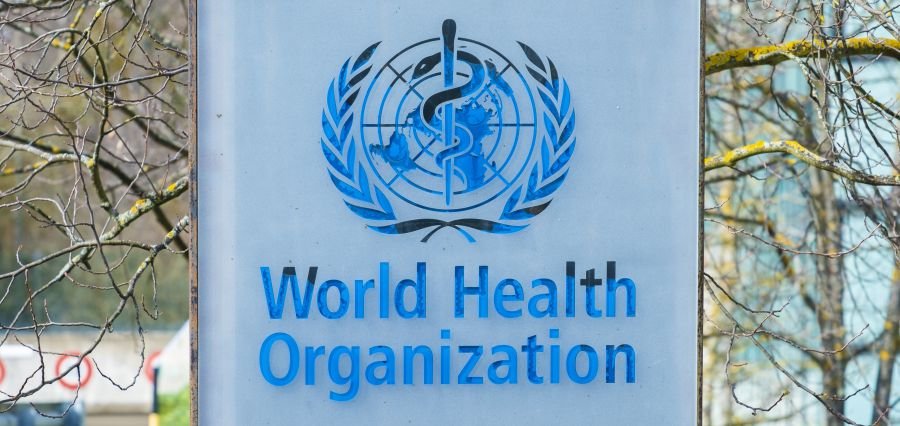
A new report from WHO Europe says modern technology is now widely used in healthcare systems across all 27 European Union member states. The report shows that countries are adopting more advanced digital tools to enhance patient care and strengthen medical services.
The study shows that every EU country is now using or developing these tools in healthcare. They mainly help doctors with diagnosis, treatment decisions, and patient care. These systems are already used in areas such as medical imaging, disease detection, and clinical support.
Nearly three-quarters of EU countries use these tools for diagnosis, while many also use chat-based systems to help patients talk with doctors. This shows that digital healthcare tools are moving from testing to regular use in hospitals and clinics.
The report also shows that health systems are building stronger support systems. Nearly half of EU countries have created special roles for data and technology experts in healthcare. Several others plan to introduce more training programmes for medical staff in the coming years.
At the same time, the report stresses the need for proper training and clear rules. It says healthcare workers must understand these tools because they still make the final medical decisions. It also asks for more public involvement to build trust.
About four in five EU countries already include different groups in planning. However, the report says more public involvement is still needed to avoid mistrust and ensure fair access to healthcare benefits.
The report asks EU governments to train healthcare workers, involve the public and set up centres to test and guide safe use of these systems. It warns that without public input, people may not accept the changes and access to care could become uneven.