Prime Highlight
- People infected with norovirus must stay home for 48 hours after symptoms stopto prevent spreading the virus to others.
- The warning highlights the need for strict hygiene, avoiding hospitals, care homes, schools, and workplaces during recovery.
Key Facts
- Norovirus spreads through close contact, contaminated surfaces, and food handled by infected individuals, and alcohol-based hand sanitiser is ineffectiveagainst it.
- Most cases resolve in two to three dayswith rest and fluids, but urgent medical care is advised if vomit contains blood or has unusual colours.
Background
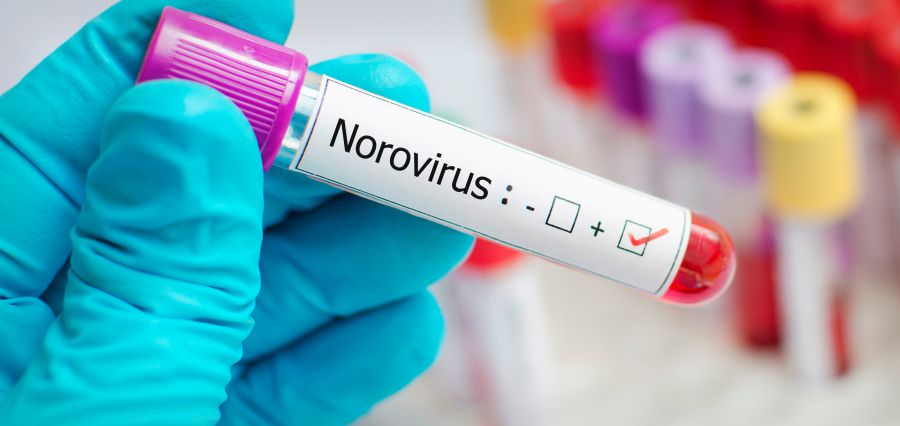
The UK Health Security Agency (UKHSA) has issued a new public warning as norovirus continues to spread easily across the country.
In a message shared on X, the agency said people who catch norovirus must stay at home for 48 hours after their symptoms stop. During this period, they can still pass the virus to others. UKHSA also advised people not to return to work or school and to avoid visiting hospitals or care homes during this time to prevent outbreaks among vulnerable groups.
Norovirus is a highly infectious stomach bug that causes vomiting and diarrhoea. Health officials say it spreads quickly through close contact with infected people or by touching contaminated surfaces and then touching the mouth. Food handled by someone who is ill can also carry the virus.
The NHS warns that common alcohol-based hand sanitisers do not kill norovirus, making handwashing with soap and warm water the most effective defence. UKHSA stressed the importance of washing hands regularly and cleaning household surfaces thoroughly.
Most people can manage norovirus at home. Doctors recommend rest and plenty of fluids to avoid dehydration. In most cases, symptoms begin to improve within two to three days.
However, health experts have issued red flag advice for severe symptoms. Anyone should seek urgent medical care if vomit looks like ground coffee, contains blood, or appears green or yellow-green in colour. These signs could point to more serious health problems.
UKHSA said the latest advice aims to reduce the spread of the virus and protect hospitals, care homes and schools, which are especially vulnerable to large outbreaks.
With winter illnesses already putting pressure on health services, officials are urging the public to act responsibly and follow isolation guidance if they fall sick with stomach symptoms.