Prime Highlights
- The NHS has added the MMRV vaccine, giving children free protection against chickenpox for the first time across the UK.
- Health officials say the move will reduce hospital admissions and protect vulnerable groupsby limiting the spread of the virus.
Key Facts
- The MMRV jab will be given at 12 and 18 months, with catch-up doses offered to children up to age six.
- Previously, parents paid privately up to £200 for the chickenpox vaccine, even though nine in ten children catch the illness before age 10.
Background
All young children in the UK will now receive free protection against chickenpox under the National Health Service for the first time, following the launch of a new combined vaccine.
From 1 January, the NHS has added the MMRV jab to the routine childhood vaccination programme in England, Wales and Northern Ireland. Scotland will begin its rollout in early January. The MMRV vaccine protects children against measles, mumps, rubella and varicella, which causes chickenpox.
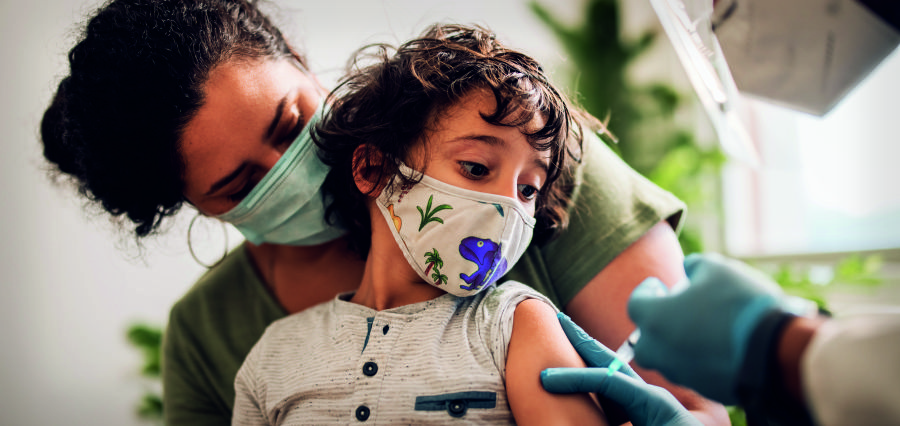
The vaccine will be given at 12 months and again at 18 months, alongside existing childhood jabs. Children up to the age of six who missed the earlier doses will be invited for catch-up vaccinations.
Until now, parents had to pay privately for the chickenpox vaccine, often spending up to £200. Health officials say the move will protect thousands of families every year and prevent the most serious outcomes linked to the illness.
Chickenpox is very common in young children. Around nine in ten children catch the infection before they turn 10. It usually starts with fever, aches and an itchy rash that blisters and later scabs over. Most children need about a week off school or nursery while they recover.
However, doctors warn that the illness is not always mild. Dr Gayatri Amirthalingam from the UK Health Security Agency said some babies, young children, and adults can become seriously ill and may need hospital treatment. In rare cases, the disease can be fatal.
Possible complications include skin infections, swelling of the brain, lung inflammation, and stroke. Babies, adults, and pregnant women face a higher risk of severe illness.
Health leaders say the new programme will reduce hospital admissions and help protect vulnerable groups by cutting the spread of the virus in the community.