We all know what a bad night’s sleep feels like: the fog, the irritability, the struggle to function. For millions of people, that’s not occasional. It’s constant. Sleep shapes everything about our lives, yet so many of us can’t get enough of it.
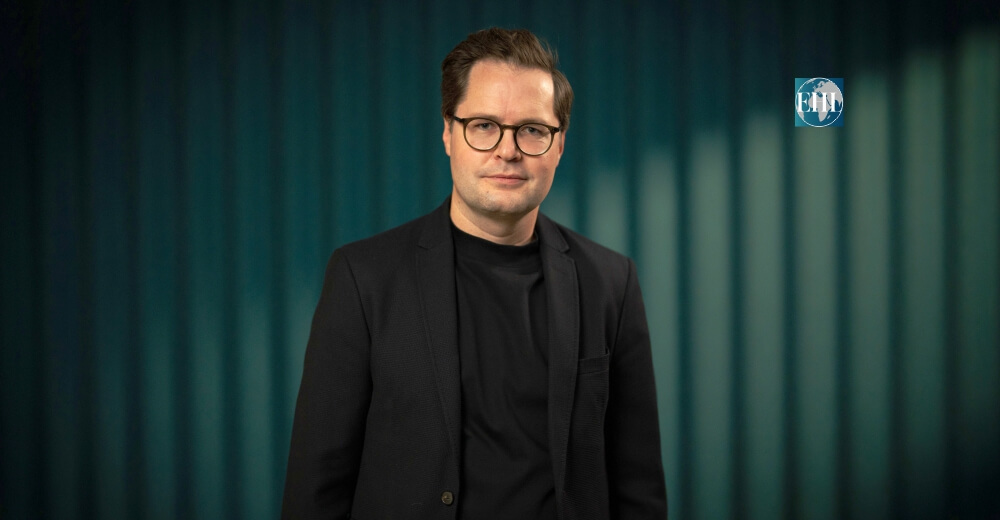
Erik Jivmark has spent nearly 20 years in tech, at companies like Accenture and Volvo Cars, building digital platforms and solving complex problems. He is now the CEO of Sleep Cycle, a Swedish company working to help people sleep better. “Few areas are as meaningful as health, and few things influence our well-being more than sleep,” Erik Jivmark says. “Sleep enables life itself, it affects how we perform at work, our mental balance, and even how we show up as parents or friends. At Sleep Cycle, I saw a company with unique technology, science-backed data, and the potential to do much more. That’s what brought me here.”
Sleep Cycle started as a simple tracking app. Under Erik’s leadership, it’s evolved into a platform using AI to analyze billions of nights of sleep worldwide, looking for patterns that can not only help people rest better, but be more predictive with health outcomes.
Let’s uncover the story of Erik Jivmark leading Sleep Cycle to transform human sleep worldwide!
Professional Journey and Purpose
Erik’s path to Sleep Cycle began almost twenty years ago in Copenhagen. As a consultant at Accenture in his early years, he immersed himself in digital transformation projects across Europe, helping organizations adapt to the fast-changing world of technology. Those early experiences gave him a strong foundation in how data, design, and human behavior intersect.
From there, he joined Volvo Cars, where he helped shape the company’s digital strategy and built its online sales channels. Later, as CEO of Volvo Car Mobility, he led the creation and rapid scaling of a new mobility service that grew to hundreds of thousands of users. His success was driven by a passion for translating technology into something people could use and benefit from every day.
“I could easily have stayed in that world, but Sleep Cycle offered something deeper, a true sense of purpose,” he reflects. Moving from mobility to health was not a career pivot but a continuation of his core belief: that technology should serve people. For him, the idea of improving health through sleep felt deeply meaningful. Sleep is something every human shares, and its impact touches everything from productivity and emotional balance to how we connect with family and friends.
Mission and Global Impact
Sleep Cycle’s mission is both straightforward and profound: to improve global health through better sleep. Over the past fifteen years, the company has reached over 75 million people in more than 180 countries. With over three billion nights analyzed, it has built one of the world’s largest sleep databases, offering insights not only for individuals but for society as a whole.
“Our mission is simple yet powerful.” he emphasizes. This goal extends beyond simply helping people rest better. He sees Sleep Cycle as part of a larger movement toward what he calls Medicine 3.0, a shift from reactive care to proactive health. The idea is that technology can detect potential problems early, allowing people to make changes before illness develops.
Sleep Cycle’s initiatives illustrate this perfectly. The company’s Cough Radar uses AI to track respiratory trends across populations, while ongoing clinical studies explore contactless methods for detecting sleep apnea. Both projects show how everyday data, collected safely and anonymously, can play a crucial role in public health. In Erik’s words, Sleep Cycle is no longer just a sleep app but a global sensor network that helps people live healthier, longer, and more energetic lives in real time.
AI and the Science of Sleep
Artificial intelligence sits at the heart of everything Sleep Cycle does. The company’s technology is trained on billions of nights of sleep data, allowing it to recognize incredibly subtle patterns in breathing, sound, and movement. What makes this especially powerful is that all analysis happens directly on the user’s phone, ensuring privacy and security.
“AI is the reason we can move from tracking sleep to understanding it,” he says. “Our technology uses machine learning models trained on billions of nights to analyze micro-patterns in breathing, movement, and sound, all through a phone’s microphone, contactless and securely on-device.”
This means Sleep Cycle can detect things like snoring, coughing, or even apnea-like breathing patterns without any wearable device. Instead of giving users raw data, the app offers real insights into how well they are sleeping and what might be affecting their rest.
Looking ahead, Erik Jivmark and his team are developing AI-driven coaching features that will provide users with personalized advice. By combining individual sleep patterns with contextual data, the app will help users actively improve their sleep, much like fitness trackers have revolutionized exercise and nutrition.
Innovation and Differentiation
In an industry crowded with health and wellness apps, Sleep Cycle stands out by focusing on science and proprietary technology rather than marketing. Many companies depend heavily on external data sources, but Sleep Cycle’s models are trained on its own rich dataset gathered from millions of real-life users.
“Because our proprietary sound model detects via audio, it is completely contactless. This means no wearables, no subscriptions to multiple devices, just your phone,” he explains. This approach has made Sleep Cycle accessible to almost anyone, anywhere in the world, and supports its mission to democratize sleep health.
The company’s partnerships with leading research institutions, including Harvard University and the University of Cambridge, underscore its scientific credibility. These collaborations keep Sleep Cycle at the forefront of sleep science and research.
Over the years, Sleep Cycle has also built a strong portfolio of innovations. Its patented smart alarm and intelligent snooze features are designed to wake users during their lightest sleep phase, helping them start their day feeling more refreshed. Now, the company is preparing for one of its most ambitious breakthroughs yet: a clinical-grade sleep apnea screening system that uses only a mobile phone. Once approved, this could redefine home diagnostics by offering a fast, affordable, and widely accessible solution.
Navigating Challenges
Bringing AI-driven health solutions to a global audience has not been without its challenges. The company is advancing several major initiatives simultaneously: growing its consumer base, licensing its technology to partners, and pursuing medical certification for its diagnostic tools. Each path requires different expertise, careful prioritization, and long-term commitment.
“Our biggest challenge, and our biggest opportunity is that we’re doing several pioneering things at once: expanding our consumer business, scaling our technology licensing model, and pursuing medical certification for a digital diagnostic tool,” he acknowledges.
To manage this complexity, Sleep Cycle operates with a small, focused team that works deliberately rather than hastily. The company has chosen to prioritize projects that have the highest scalability and the greatest potential to improve health outcomes.
Another major challenge has been navigating different data and health regulations around the world. Sleep Cycle’s privacy-first approach has given it a strong advantage in this area. Because all analysis happens on the device, user audio never leaves the phone.
Tangible User Impact
Behind all the science and technology, the heart of Sleep Cycle lies in its impact on real people. Erik Jivmark shares that the most meaningful moments come from hearing how the product has improved users’ lives.
“We hear from users every day who say Sleep Cycle has changed their lives,” he says. The stories range from new parents who finally understand their sleep rhythms to professionals who use the app to manage stress, and to individuals who discover they might have an underlying sleep disorder.
Sleep influences nearly every part of life. It affects metabolism, emotional health, focus, and overall longevity. “If you want to lose weight, move more, eat better, and sleep,” he notes, quoting a researcher’s insight that shows how essential rest truly is. For many people, small improvements in sleep translate into big changes in how they feel and function each day. These personal stories are what fuel the company’s mission and remind the team why their work matters.
Global Strategy and Market Expansion
While the science of sleep is universal, the experience of it can vary greatly from one region to another. Cultural habits, daily schedules, and environmental factors all influence how people sleep. Sleep Cycle has embraced this diversity by building a truly global platform. Its largest markets include the United States, the United Kingdom, Japan, South Korea, Germany, and Brazil.
“Few health tech companies can claim all three. And our organic growth, around 80% of users comes to us without paid marketing, demonstrating true product-market fit,” he observes. This success demonstrates that Sleep Cycle’s value resonates naturally with users, without heavy advertising.
To further expand its reach, the company has launched the Powered by Sleep Cycle SDK, which allows partners to integrate its technology into their own apps, devices, and digital health ecosystems. This strategy enables collaboration rather than competition and helps the company scale its impact more effectively.
Cultivating Innovation
Erik Jivmark believes that innovation flourishes when teams understand their purpose and have the freedom to explore. Sleep Cycle’s culture reflects this philosophy. It is a small, dedicated group united by a shared mission to improve health through better sleep. Every member is close to the product, the data, and the users, which keeps creativity grounded in real-world impact.
“I believe innovation thrives when teams have a clear purpose and autonomy,” he says. He encourages cross-functional collaboration and a balance between scientific rigor and commercial insight. By connecting technological excellence with practical growth models, he ensures that innovation not only happens but also reaches people who need it most.
Looking to the Future
Erik Jivmark envisions a future where AI transforms healthcare from reactive to preventive. Sleep will become an integral health indicator, informing individuals and public health agencies alike. Programs like Cough Radar demonstrate the potential for aggregated sleep data to track respiratory trends on a population level, offering insights for global health management.
Ultimately, Erik Jivmark hopes that “Powered by Sleep Cycle” becomes a recognized mark of scientific credibility, privacy safety, and global leadership in digital health. He sees a future beyond wearables, where everyday devices and AI converge to make health insights accessible, personalized, and actionable.
Advice for Innovators
For young entrepreneurs looking to make their mark in AI and healthcare, Erik Jivmark believes true innovation starts not with technology but with empathy.
“Start with a real human problem, not a technology. Technology is only powerful when it solves something meaningful. And in healthcare, remember that trust is everything — users must know you protect their data and act in their best interest,” he says.
He also reminds new founders that building in health tech takes time. Regulatory pathways, clinical validation, and user trust cannot be rushed. Yet, those who stay the course can create lasting change. “Be patient,” he advises, “because when you succeed, the impact is profound and lasting.”