Prime Highlight
- German researchers have developed fast-RSOM, a noninvasive imaging technology that detects early signs of heart disease by scanning tiny blood vessels beneath the skin.
- The method allows doctors to assess endothelial dysfunction at the microvascular leveland identify high-risk patients before symptoms appear.
Key Facts
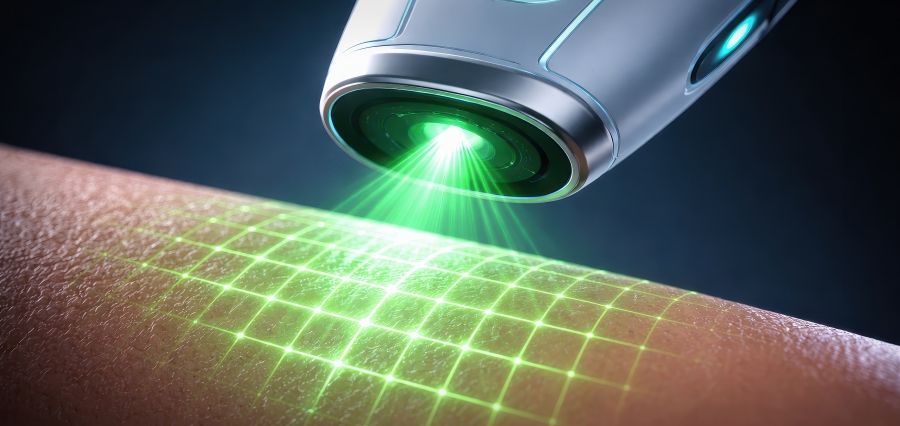
- Fast-RSOM uses pulses of light to generate ultrasound signals, creating detailed 3D images of blood vessels, oxygen levels, and tissue composition.
- The technology can detect subtle vascular damage linked to risk factorssuch as smoking, high blood pressure, and obesity, supporting early prevention and monitoring.
Background
A team of German researchers has created a new imaging method that scans the skin to detect early signs of heart disease without invasive procedures. The technology, called fast-RSOM, lets doctors see tiny changes in blood vessels that show heart disease risk long before symptoms appear.
The fast-RSOM skin scan captures high-resolution images of the smallest blood vessels beneath the skin. It measures changes in blood vessel structure, oxygen levels, and tissue composition that traditional imaging methods cannot detect. These changes show early damage in tiny blood vessels, an early sign of heart disease that doctors could not easily measure in people before.
Researchers from the Helmholtz Association of German Research Centres said the technology could help doctors identify people at higher risk of heart disease earlier and guide timely treatment. Dr. Hailong He of Helmholtz Munich said the method allows, for the first time, noninvasive assessment of endothelial dysfunction at the level of individual capillaries and skin layers.
Dr. Angelos Karlas, a co-author of the study and a vascular surgeon at Technical University of Munich University Hospital, said the technology offers a new view of how heart disease begins at the microvascular level. The findings were published in the journal Light: Science & Applications.
Fast-RSOM provides dynamic biomarkers that reveal subtle damage to blood vessel function before clinical symptoms or major disease features develop. These early changes often relate to risk factors such as smoking, high blood pressure, and obesity. The scan is unique in comparison to the traditional risk assessment because it quantifies the actual effects of these factors on blood vessels.
The technology uses pulses of light to generate ultrasound signals, creating detailed three-dimensional images under the skin. Researchers said fast-RSOM could improve early detection, support preventive care, and help monitor how lifestyle changes or treatments affect long-term heart health.