Prime Highlights:
- New research shows that infants as young as two months old can categorize objects, distinguishing between living and non-living things.
- The study suggests that babies’ brains are actively processing the world from a very early age, much earlier than previously believed.
Key Facts:
- Researchers at Trinity College Dublin used fMRI scans to study the brains of over 130 infants while they were awake, showing them pictures of animals, toys, and everyday objects.
- Follow-up scans at nine months revealed that infants’ ability to recognize and differentiate objects grows stronger with age, showing rapid early brain development.
Background:
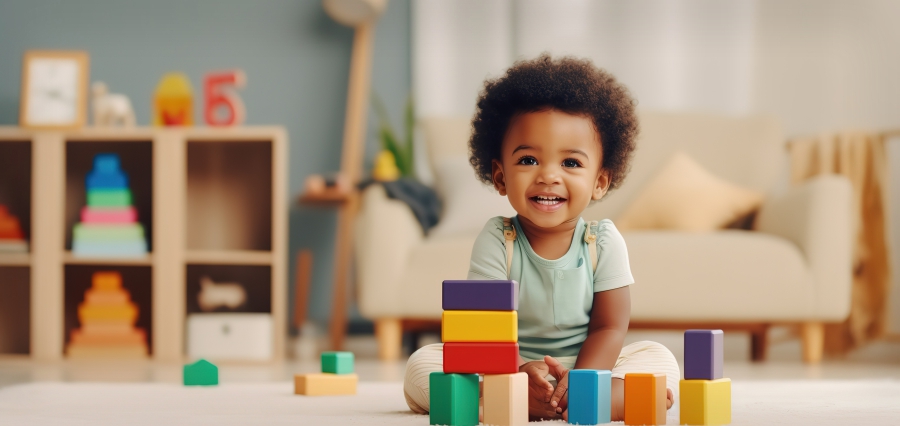
A groundbreaking study from Trinity College Dublin suggests that infants’ brains are far more advanced than previously believed, showing that babies as young as two months old can actively categorize the world around them.
The research, published Monday in Nature Neuroscience, used functional magnetic resonance imaging (fMRI) to study the brains of more than 130 infants. fMRI tracks changes in blood flow in the brain, helping scientists see how it reacts to what we see. In the study, two-month-old babies looked at pictures of animals, trees, toys, and other everyday objects while awake, lying safely in a beanbag with headphones to block noise.
Lead author Cliona O’Doherty explained the process: “When a baby sees a cat, the brain responds in a certain way that we can measure. When shown something different, like a tree, the response pattern is distinct. We found that infants’ brains already respond differently to living and non-living objects, suggesting early categorization.”
The researchers also followed up with some of the children at nine months. By that age, the brain’s ability to distinguish between animate and inanimate objects had become even stronger, demonstrating rapid cognitive growth in the first year of life.
O’Doherty emphasized the importance of these findings: “Infants are processing the world around them in complex ways from a very early age. They are not passive observers; they are actively building understanding long before they can move or speak. This opens new possibilities for measuring cognitive development in infancy.”
Experts say the implications of this study extend beyond understanding infant learning. Gustavo Sudre, a professor at King’s College London, said, “The brain starts processing and recognizing things long before babies show it in their behavior. This could help doctors understand and spot developmental or mental health issues much earlier.”
The study highlights how complex infant brains are and could guide future research on early learning and development, offering hope for better mental health in the future.