Prime Highlight
- A major study in Sweden found that AI-supported mammography can reduce later-year cancer diagnoses by 12% and detect more cancers early.
- The AI system helps radiologists focus on higher-risk cases, improving detection rates and reducing aggressive cancer subtypes.
Key Facts
- The trial involved about 100,000 women, with AI-assisted screening detecting 1.55 cancer cases per 1,000 women versus 1.76 in standard screening.
- About 81% of cancers in the AI group were caught during screening, compared with 74% in the standard group, and aggressive subtypes were 27% lower.
Background
The use of artificial intelligence in breast cancer screening can reduce the rate of cancer diagnosis in later years and improve early detection, according to a major new study published in The Lancet. Researchers found that AI-supported mammography lowered subsequent cancer diagnoses by 12%, marking a significant step forward in cancer screening technology.
The study, the largest of its kind so far, involved about 100,000 women in Sweden who took part in routine breast screening between April 2021 and December 2022. Participants were randomly assigned to either standard screening by two radiologists or screening supported by an AI system.
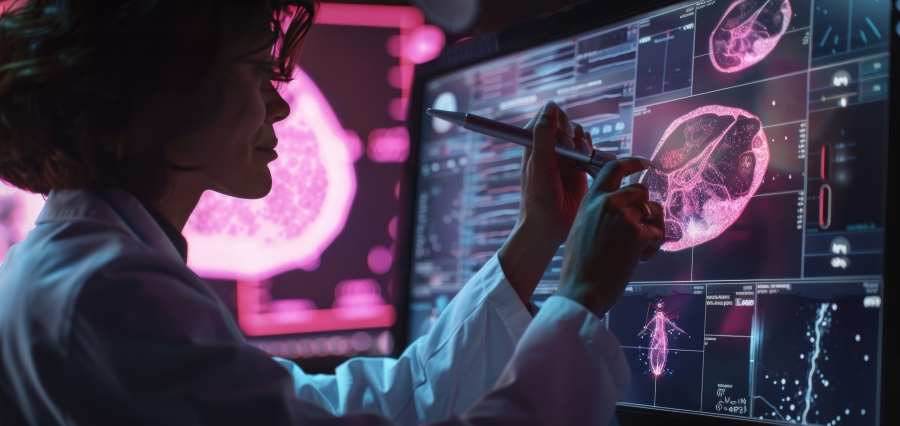
The AI system analysed mammogram images and sorted cases based on risk. Low-risk scans were read once, while higher-risk cases were reviewed twice by radiologists. The system also flagged suspicious areas to support human readers. Researchers said this approach helped radiologists focus more closely on higher-risk cases.
The results showed that AI-assisted screening found 1.55 cancer cases per 1,000 women in later years, while standard screening found 1.76 cases per 1,000 women. About 81% of cancers in the AI group were caught during screening, compared with 74% in the standard group. The AI group also showed 27% fewer aggressive cancer subtypes.
Lead author Dr Kristina Lång from Lund University said AI could help detect cancer earlier and reduce pressure on radiologists. However, she stressed the need for careful rollout, continuous monitoring, and the use of tested tools in healthcare settings.
Experts welcomed the findings but urged caution. Cancer Research UK said the results were promising but based on a single-centre study and need further confirmation. Breast Cancer Now said the trial highlights AI’s potential to support early diagnosis, which can improve survival chances.
Breast cancer remains the leading cause of death among women aged 35 to 50 worldwide, with more than two million new cases diagnosed each year.