Trends in Pharma Innovation
Researchers, policymakers, and healthcare institutions across Europe are actively reshaping the pharmaceutical landscape. They are accelerating the process of discovering and developing new medicines by rethinking how science moves from early discovery to real-world patient care. This coordinated effort is driving meaningful change, as drug development leaders Europe set new benchmarks that influence global approaches to innovation.
This article explains how drug development in Europe is changing through better technology, patient-focused research, teamwork across countries, personalised treatments, and improved access to medicines.
Science Meets Smart Technology
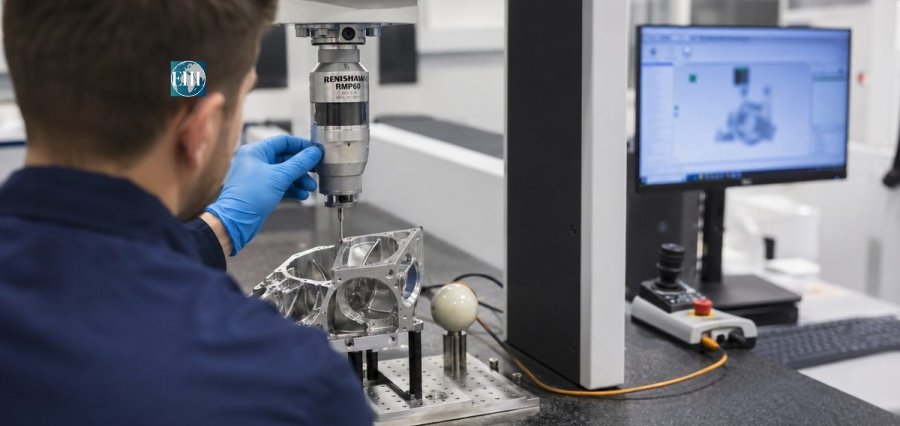
One of the clearest changes in modern drug research is how deeply technology has become part of the process. Tools that can analyse enormous amounts of biological data in a matter of hours have replaced work that once took years. Researchers can now study how diseases behave at a very small, precise level, looking at individual cells and the signals they send, which makes it far easier to identify where things go wrong in the body and how a new medicine might help.
Artificial intelligence is playing a growing role here. Patterns that were hard to see can now be found quickly, helping turn ideas into medicines faster. This is important because patients need timely treatment.
Putting Patients at the Centre
Perhaps the most human shift in pharma innovation is the growing push to design medicines around real people rather than simply around biology. Drug development leaders Europe’s public sector have increasingly called for patient voices to be included from the very beginning of the research process, not as an afterthought, but as a guide.
This means asking patients what matters most to them. Does a treatment fit into daily life? Does it cause side effects that make it hard to keep taking? Is it simple enough to use without regular hospital visits? These questions, which once felt secondary to clinical results, are now being treated as central to whether a medicine will actually work in the real world. The result is research that feels more grounded and more compassionate.
Collaboration Across Borders
Europe’s strength has always been its diversity, and that diversity is now one of its greatest assets in medicine. Countries across the continent are increasingly sharing data, pooling resources, and working on joint research programmes. Rather than competing, research communities are finding that cooperation produces better science.
Drug development leaders Europe’s public sector have been central to building this spirit of shared effort. Health agencies and research groups now work more closely together. Clinical trials happen in multiple countries, include more patients, and give better results. This helps new medicines work for different people and settings.
Personalised Medicine Takes Root
One of the most exciting ideas in modern healthcare is that a single medicine does not have to work the same way for everyone. Personalised medicine, the idea that treatments can be tailored to an individual’s biology, is moving from theory into practice across Europe. Researchers are discovering that understanding a person’s genetic makeup can reveal which treatment will work best for them and at what level.
This approach is helpful for conditions with limited treatment options. Targeted therapies can give better results with fewer side effects. In Europe, public efforts have also built strong data systems that link health records, genetic data, and clinical information while keeping patient data safe.
In Summary
Sustainability and access matter as much as innovation. A new medicine is only useful if patients can actually get it. Across Europe, there is a stronger effort to make treatments available to more people, including those who have often been overlooked.
Drug development leaders Europe’s public sector continue to push for frameworks that balance rewarding innovation with making medicines genuinely affordable. It is a complex balance, but one that more and more voices are treating as non-negotiable. The future of pharma in Europe will be measured not just by the brilliance of its discoveries, but by how many lives those discoveries actually reach and improve.
What is clear is that European pharma innovation is entering a new chapter, one that is faster, smarter, more collaborative and more human than what came before. The trends shaping this moment are not passing fads. They are the foundations of a better way to build the medicines of tomorrow.