Longevity has quickly become one of the most attractive words in healthcare, wellness, hospitality, and consumer health. It sounds intelligent, forward-looking, and commercially powerful. It appeals to people who want to stay healthier for longer, perform better, age more confidently, and make smarter decisions before illness becomes unavoidable. For businesses, it offers something even more valuable: a way to position themselves at the intersection of aspiration, prevention, and premium value.
That is precisely why the term is now at risk of being overused.
We are starting to see the rise of what can best be described as longevity washing. By that, I mean the growing habit of taking familiar products, services, or experiences and rebranding them with the language of longevity, even when they do not provide a meaningful, evidence-based contribution to healthier aging. The concept is simple. The label becomes more advanced than the model behind it.
This matters because longevity is not just a fashionable word. It sits on top of a very serious global reality. Populations are aging. Chronic disease is putting pressure on every health system. More people are actively looking for ways to preserve function, reduce risk, and remain independent for longer. That creates a legitimate market, but it also creates a very convenient marketing opportunity for businesses that want to appear relevant without doing the harder work of building something truly useful.
Why the Market Is Drifting Toward Longevity Washing
At the moment, almost everything wants to belong to the longevity category. Supplements are repositioned as longevity essentials. Hotels package sleep, recovery, and nutrition as longevity retreats. Clinics rename checkups and diagnostics as longevity programs. Wellness brands adopt the terminology because it sounds more scientific, more investable, and more future-facing than traditional wellness language ever did. In commercial terms, the logic is obvious. Longevity is more persuasive than wellness because it implies depth, intelligence, and measurable value.
The problem is that language has started moving faster than substance.
A red-light room does not automatically create a longevity concept. A premium blood test panel does not become a longevity program simply because it includes more biomarkers than before. A resort is not transformed into a longevity destination because it added an ice bath, a recovery massage, and a nutritional consultation. In many cases, old offers are being repackaged under a new vocabulary that sounds more advanced than the actual service design.
That creates confusion for consumers, but it also creates a credibility problem for the sector itself. Once everyone starts using the same language, it becomes harder to distinguish between prevention, medicine, performance optimization, rehabilitation, spa services, and lifestyle marketing. Those categories are not identical, and pretending they are only makes the market noisier. The average person may hear the word longevity repeatedly and still have no clear understanding of whether the offer in front of them is medically grounded, commercially inflated, or simply ordinary wellness with better branding.
There is also a deeper issue. When longevity is marketed too aggressively, it raises expectations that many providers cannot realistically meet. People may spend money on interventions they do not fully understand, measurements they cannot interpret, or premium experiences that feel impressive in the moment but have little connection to long-term outcomes. In healthcare and adjacent sectors, trust is everything. If the public begins to associate longevity with polished packaging and vague promises, the category will lose authority before it has had the chance to mature properly.
What Real Longevity Should Look Like
A credible longevity model is rarely a single product and almost never a single experience. It is a structured, multidisciplinary approach to healthier aging. It should include prevention, diagnostics, clinical interpretation, behavior change, physical activity, nutrition, sleep, mental health, and appropriate follow-up. In some cases, rehabilitation and chronic disease management also need to be part of that picture. The point is not to make longevity look futuristic. The point is to make it clinically coherent, practical, and sustainable over time.
Real longevity is less glamorous than much of the current branding suggests. It is often built through consistency rather than novelty. It comes from reducing avoidable risks, catching problems earlier, improving metabolic health, preserving mobility, maintaining cognitive and emotional resilience, and helping people function well across a longer lifespan. That does not mean innovation has no place. It absolutely does. But innovation should strengthen care, not replace common sense.
A serious longevity offer should also be honest about limits. Not every person needs an extensive panel of advanced diagnostics. Not every intervention is supported by the same level of evidence. Not every premium service deserves to be framed as life-extending. Good providers understand the difference between what is promising, what is proven, and what is still uncertain. They also understand that personalization is not just a matter of offering more options. It means making appropriate recommendations for the right person at the right stage of life, with the right context and proper medical judgment.
This is especially important at the intersection of healthcare, hospitality, and travel, where the commercial temptation is strongest. There is nothing wrong with clinics, destinations, resorts, or wellness operators exploring longevity as a strategic direction. In fact, many should. The demand is real, and there is space for thoughtful new models. But positioning must be earned. If the industry wants long-term credibility, it cannot rely on vocabulary alone. It needs standards, clarity, professional oversight, and a more disciplined way of communicating value.
Why the Industry Needs More Discipline Now
The next phase of this market will separate serious operators from clever marketers. That shift is already beginning. In the early stage of a trend, broad language can create excitement. In the mature stage, buyers become more selective. They ask harder questions. They want to know what is actually being delivered, who is responsible, how outcomes are assessed, what the follow-up looks like, and whether the service belongs to healthcare, wellness, or something in between.
That is why longevity washing is more than a branding issue. It is a strategic risk. If the term is stretched too far, the entire category becomes weaker. Investors become skeptical, patients become cautious, and credible providers are forced to compete in a market where meaningful care is presented next to shallow imitation. Nobody benefits from that in the long run.
The businesses that will lead this space are unlikely to be the ones using the word longevity most aggressively. They will be the ones protecting its meaning. They will build models that are understandable, clinically sound, commercially honest, and genuinely useful to people trying to age better. They will focus less on performance theater and more on real health value. They will know that trust is not created by saying the right word more often, but by delivering something that deserves it.
Longevity is too important to become another inflated label. The demographic shift behind it is real. The demand for prevention is real. The commercial opportunity is real. That is exactly why the industry needs to be more careful now. If longevity is going to matter in the years ahead, it cannot become a decorative term attached to every premium wellness concept on the market. It has to stand for something more serious than that.
About the Author
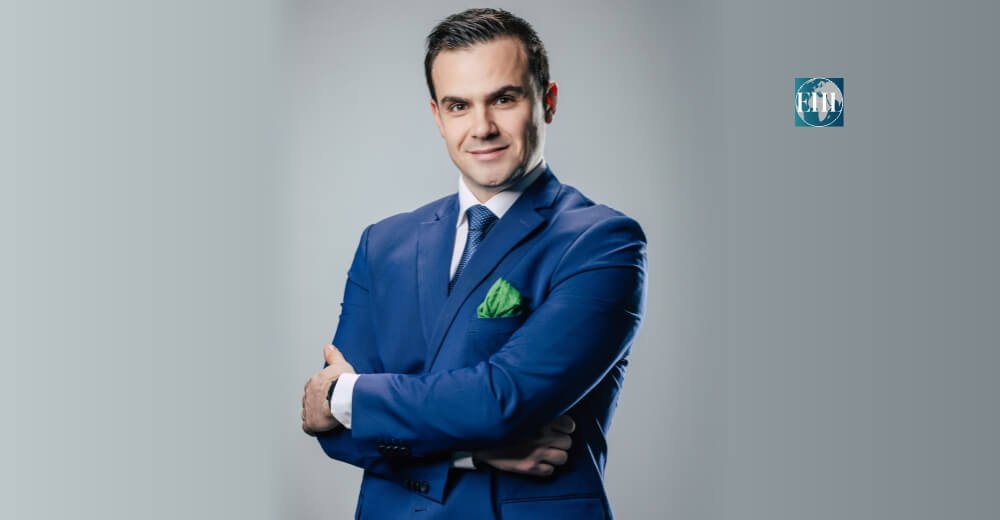
Ivan Rendulic is an experienced professional in the field of medical tourism, with over a decade of work facilitating international patients and shaping cross-border healthcare initiatives. He is the Founder of ZagrebMed, a leading medical network in Croatia, and currently serves as the President of the European Health and Medical Tourism Association (EHMTA). Ivan works closely with hospitals, clinics, tourism clusters, and industry associations worldwide, and is a frequent presence at major global medical tourism conferences and events.