Prime Highlights :
- Science Corporation received European approval to sell the PRIMA vision implant.
- PRIMA also gained an FDA designation supporting faster regulatory review.
Key Facts :
- PRIMA helps restore vision lost from age-related macular degeneration.
- Science Corporation acquired French firm Pixium in 2024.
Background :
Science Corporation has received approval from Europe’s medical device regulator to begin selling PRIMA, a vision-restoring implant designed for people with age-related macular degeneration. The company also secured an important designation from the US Food and Drug Administration, moving the device closer to an accelerated regulatory review for treating two rare forms of blindness.
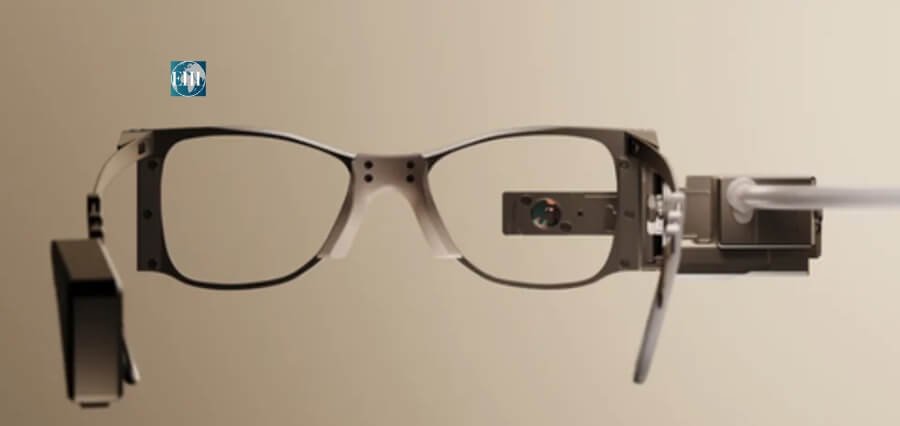
PRIMA is designed for people who have lost central vision because of damage to light-sensitive cells at the back of the eye. The treatment involves a one-hour outpatient procedure in which a small chip is implanted behind the eye. Patients then wear glasses fitted with a camera that sends visual information to the implant, helping restore functional vision.
Founder and Chief Executive Officer Max Hodak said patients have already shown encouraging results, including reading books, completing crossword puzzles and creating detailed drawings after receiving the implant.
Science Corporation was founded by Hodak after he left Neuralink in 2021. The company bought out the French medical technology company Pixium in 2024 and acquired the PRIMA technology and developed it for commercial application.
The company intends to launch PRIMA first in Germany, where the clinical trials were carried out, and the first commercial application is projected for September. Science Corporation is also working with healthcare providers to secure reimbursement, as each device is expected to cost several hundred thousand dollars.
Alongside PRIMA, the company continues developing advanced brain-computer interface technologies, including a bio-hybrid brain sensor. Hodak said building a successful vision restoration business will provide the financial support needed to develop the company’s longer-term brain technology projects.