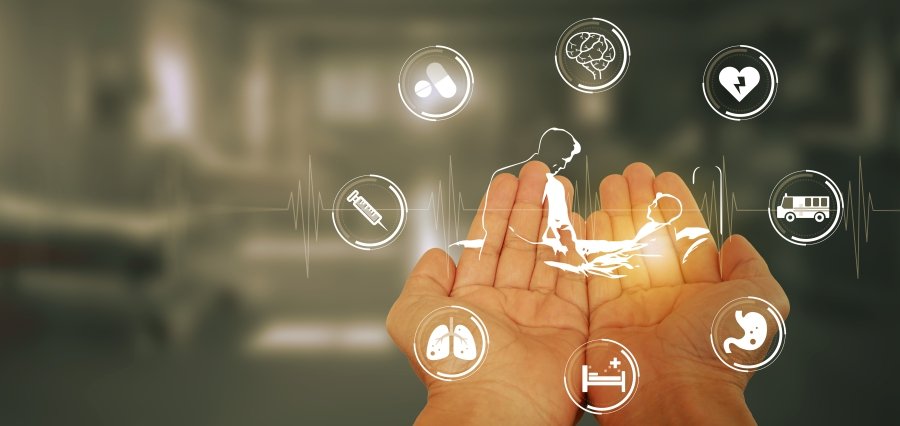
Healthcare is no longer limited to diagnosing illnesses and prescribing medicines. Modern medical systems are shifting toward a more compassionate and collaborative approach that values the patient’s voice, preferences, and emotional well-being. This transformation has increased the importance of patient centered care healthcare in hospitals, clinics, and medical institutions worldwide. The approach focuses on treating individuals with dignity while involving them actively in their treatment journey.
Patients today expect transparency, empathy, and personalized attention from healthcare providers. As medical services become more advanced, the human side of healthcare has become equally essential in ensuring effective treatment and recovery.
Understanding the Foundation of Personalized Healthcare
At its core, patient centered care healthcare revolves around respecting a patient’s needs, values, and personal choices. Instead of making decisions solely based on clinical observations, healthcare professionals collaborate with patients and their families to create treatment plans that align with their lifestyles and expectations.
Communication is one of the strongest pillars of this approach. Doctors, nurses, and caregivers are encouraged to listen carefully, explain medical conditions clearly, and involve patients in important healthcare decisions. This creates an environment where patients feel heard and respected rather than treated as passive recipients of care.
Personalized treatment also helps in reducing anxiety and confusion. When patients understand their medical conditions and treatment procedures, they become more confident about following medical advice. This stronger relationship between providers and patients ultimately leads to better healthcare experiences.
Emotional Support and Human Connection in Treatment
Medical treatment often affects patients emotionally as much as physically. Fear, stress, and uncertainty can make recovery difficult, especially for individuals dealing with chronic illnesses or major surgeries. One of the most important Benefits of Patient-Centered Care is the emotional reassurance it provides during vulnerable moments.
Healthcare professionals who show empathy and compassion can significantly improve a patient’s comfort level. Small actions such as active listening, respectful communication, and emotional encouragement create trust between patients and caregivers. This trust often motivates patients to stay committed to treatment plans and follow medical recommendations consistently.
Families also play a meaningful role in this healthcare model. Involving loved ones in discussions and recovery plans creates a supportive environment that contributes positively to healing. Patients who feel emotionally supported often experience improved mental well-being alongside physical recovery.
Better Health Outcomes Through Active Participation
One of the biggest Benefits of Patient-Centered Care is its impact on overall treatment outcomes. Patients who actively participate in healthcare decisions tend to be more informed and responsible about their health conditions. This participation encourages medication adherence, healthier lifestyle choices, and timely follow-up visits.
Preventive care also becomes more effective under this approach. Healthcare providers can better understand a patient’s habits, concerns, and challenges, allowing them to recommend practical solutions rather than generalized advice. As a result, patients are more likely to adopt long-term health improvements.
The approach also helps reduce medical errors and misunderstandings. Clear communication minimizes confusion regarding medications, treatment schedules, and post-care instructions. When patients fully understand their care plans, the chances of complications and hospital readmissions decrease considerably.
Another advantage is improved patient satisfaction. People are more likely to trust healthcare institutions that prioritize respect, comfort, and transparency. This not only enhances individual experiences but also strengthens the reputation of healthcare organizations.
The Growing Importance of Compassionate Medical Systems
As healthcare systems continue evolving, the demand for compassionate and individualized care is increasing rapidly. Technological advancements have improved diagnosis and treatment capabilities, but patients still seek emotional connection and understanding from healthcare professionals. This is why patient centered care healthcare has become an essential standard in modern medicine.
Medical institutions are now training professionals to develop stronger communication and interpersonal skills alongside clinical expertise. Hospitals are redesigning patient experiences by focusing on comfort, accessibility, and family involvement. These efforts reflect a growing realization that quality healthcare extends beyond medical procedures alone.
Digital healthcare tools are also supporting this transformation. Online consultations, patient portals, and health-tracking applications allow individuals to stay informed and engaged in their healthcare journeys. These technologies make communication easier while giving patients greater control over their treatment experiences.
The future of healthcare will likely continue moving toward personalized care models that prioritize empathy, collaboration, and trust. As awareness spreads, more healthcare